Discover Sigiriya: The Lion Rock Fortress of Sri Lanka
Sigiriya: The Lion Rock Fortress
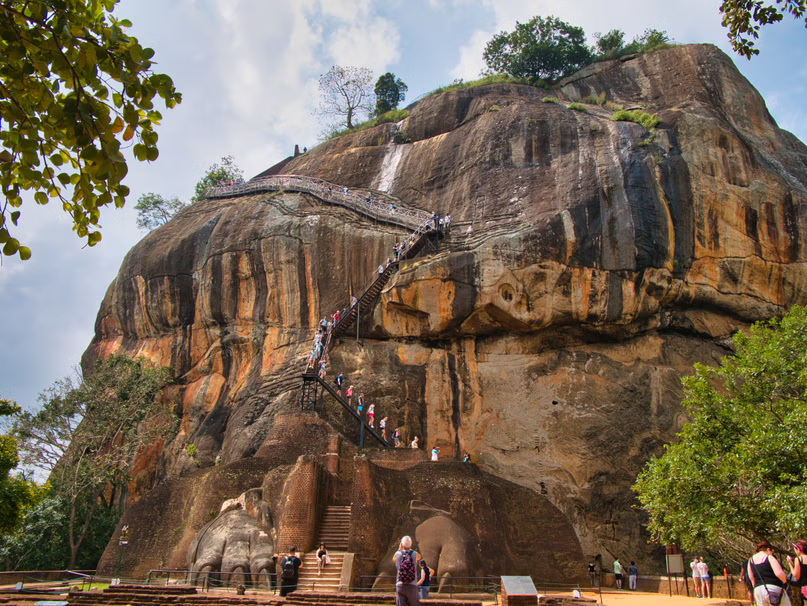
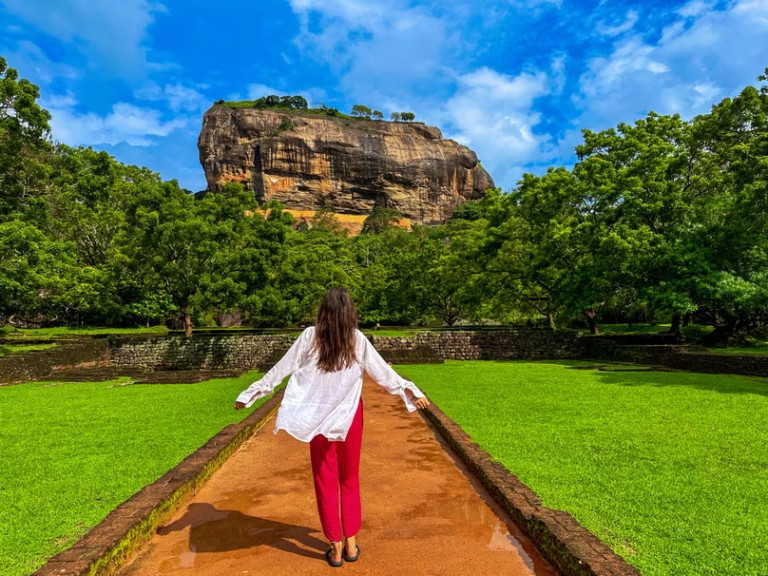
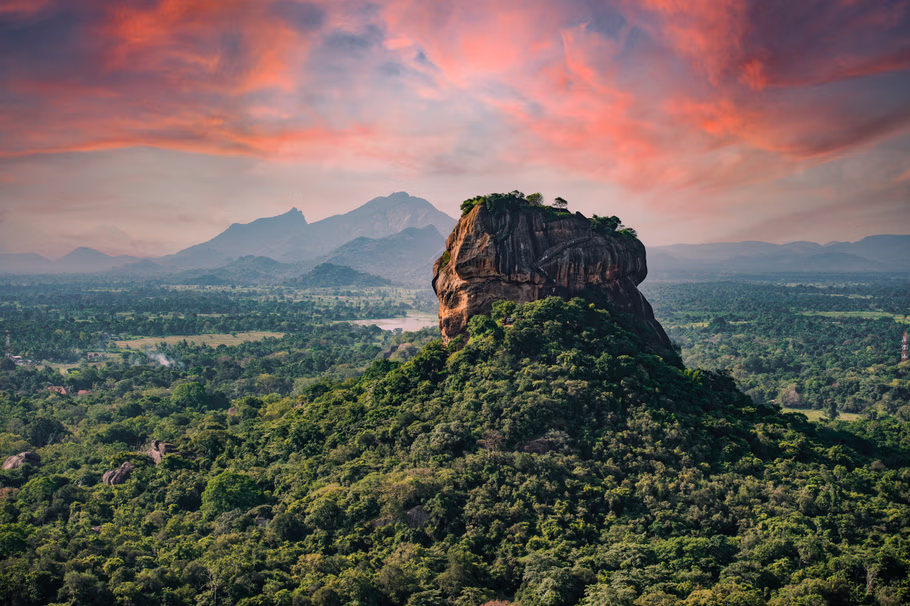
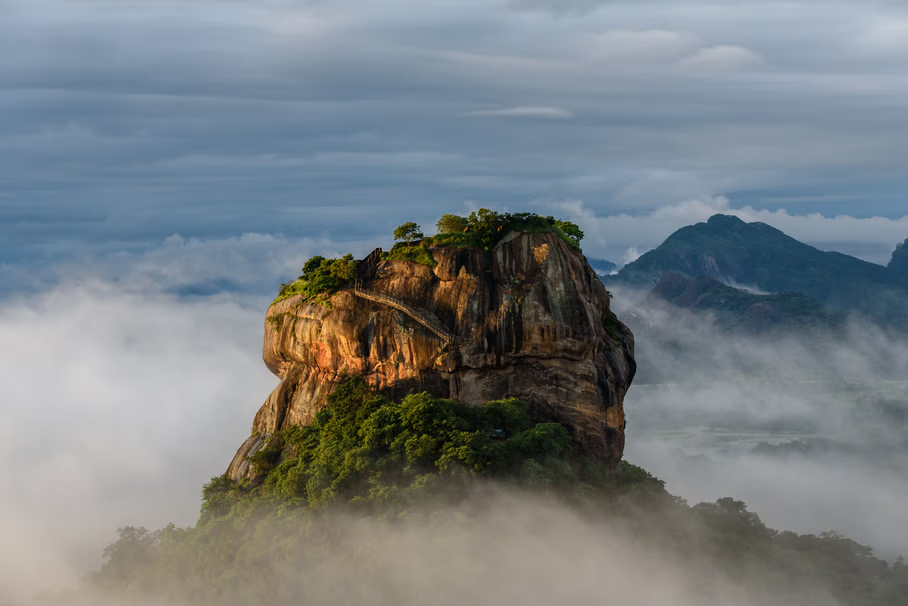
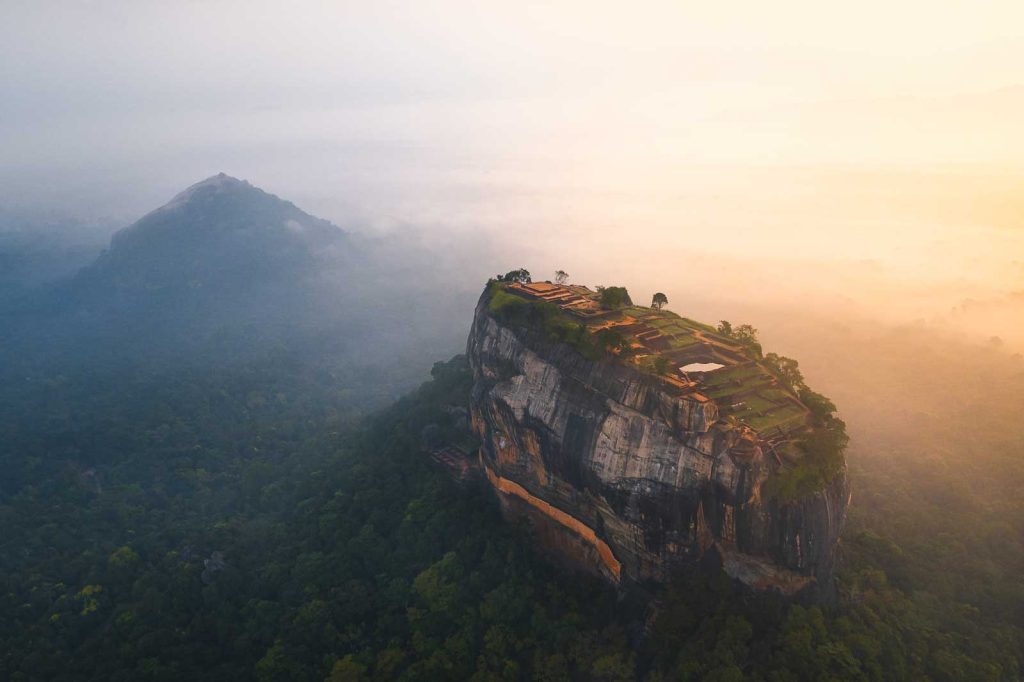
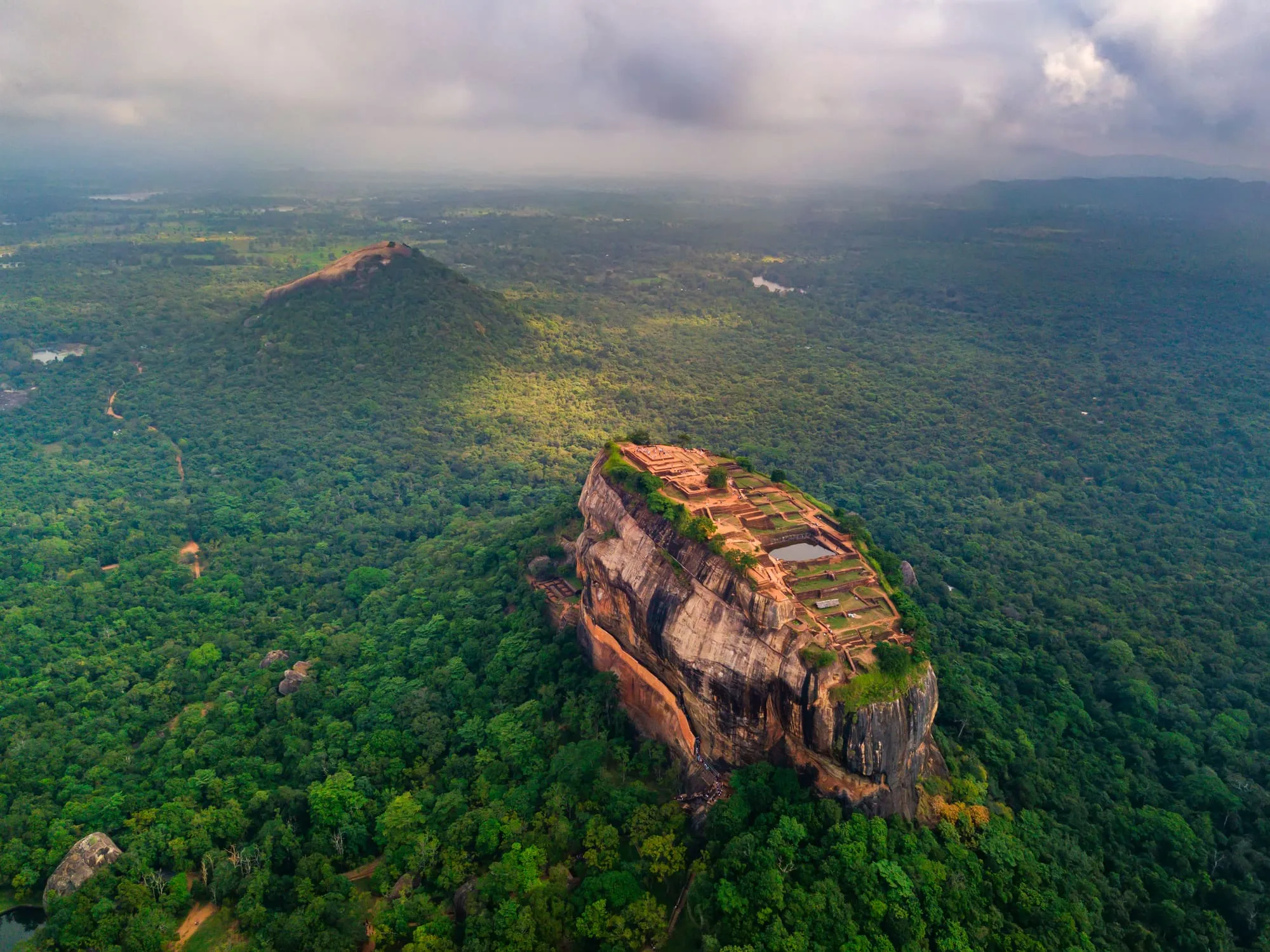
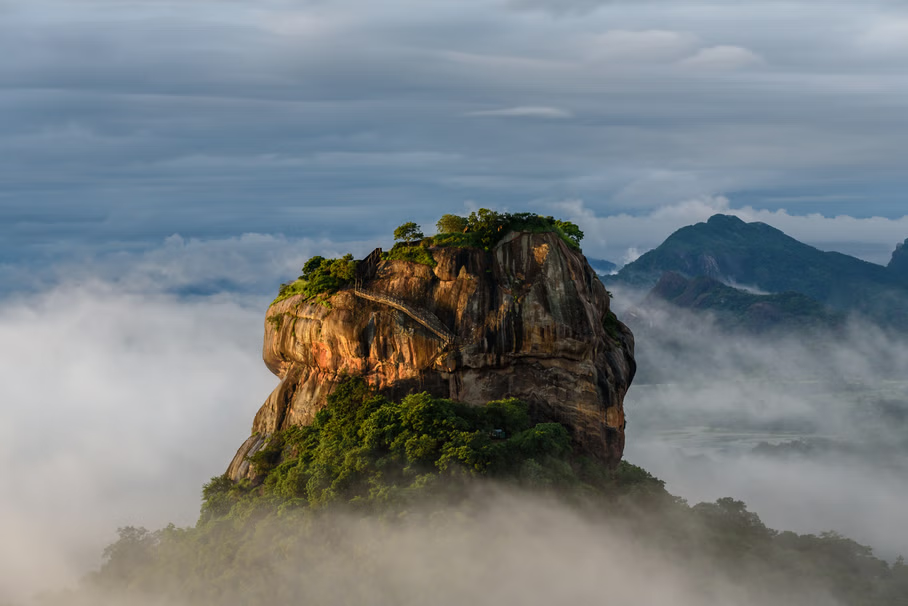
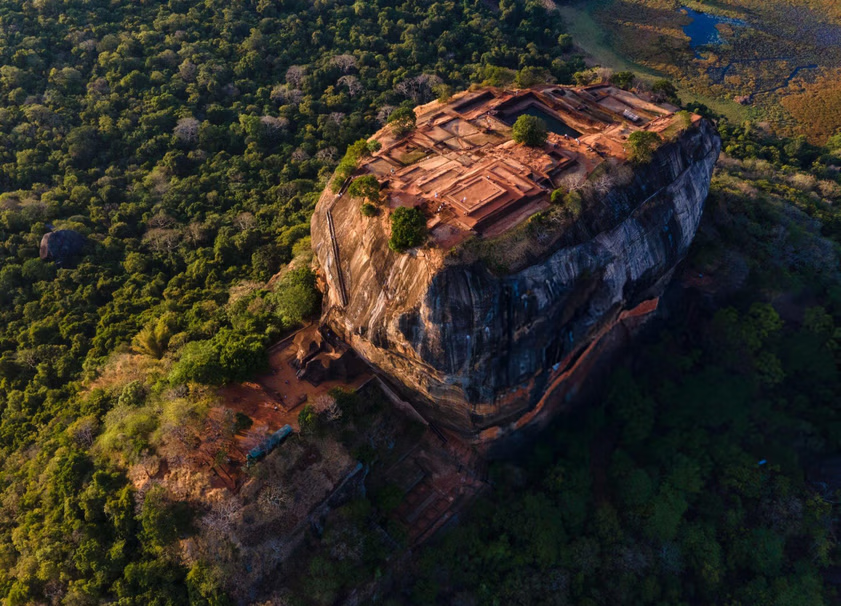
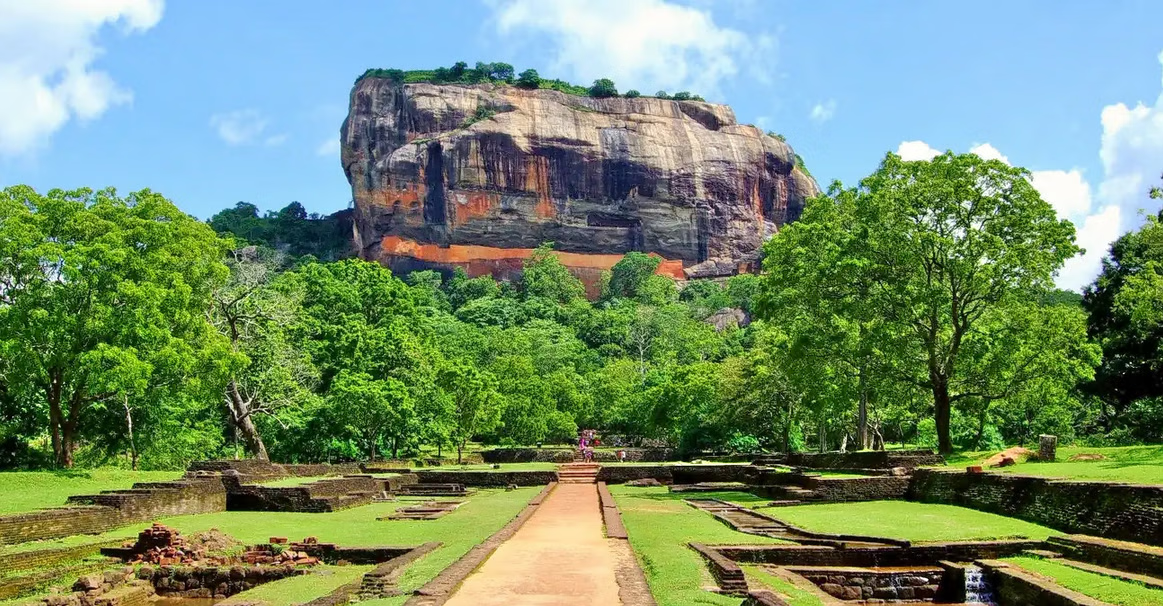
Perched majestically in Sri Lanka’s Cultural Triangle, Sigiriya—often referred to as the “Lion Rock”—is a UNESCO World Heritage Site renowned for its breathtaking beauty and historical significance. Rising 180 meters (590 feet) above the surrounding jungle, this ancient rock fortress offers visitors a glimpse into the island’s rich heritage.
A Glimpse into History
Constructed in the late 5th century by King Kashyapa I, Sigiriya served as both a royal palace and a formidable stronghold. After his defeat in 495 CE, the site was abandoned and later transformed into a Buddhist monastery. Today, it stands as a testament to ancient Sri Lankan ingenuity and urban planning.
Architectural Marvels
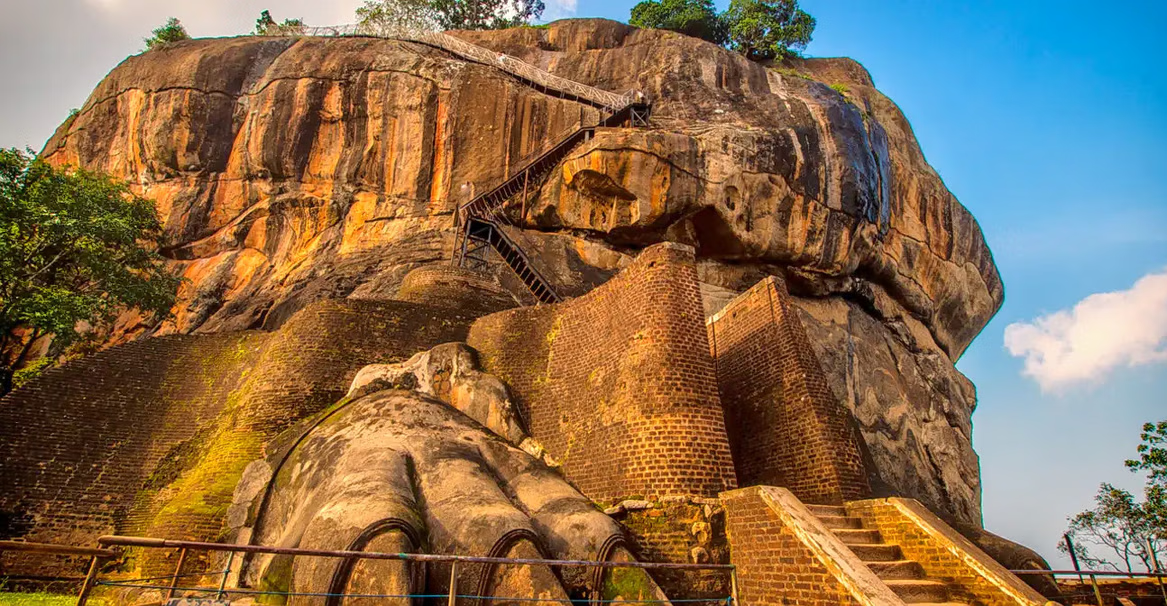
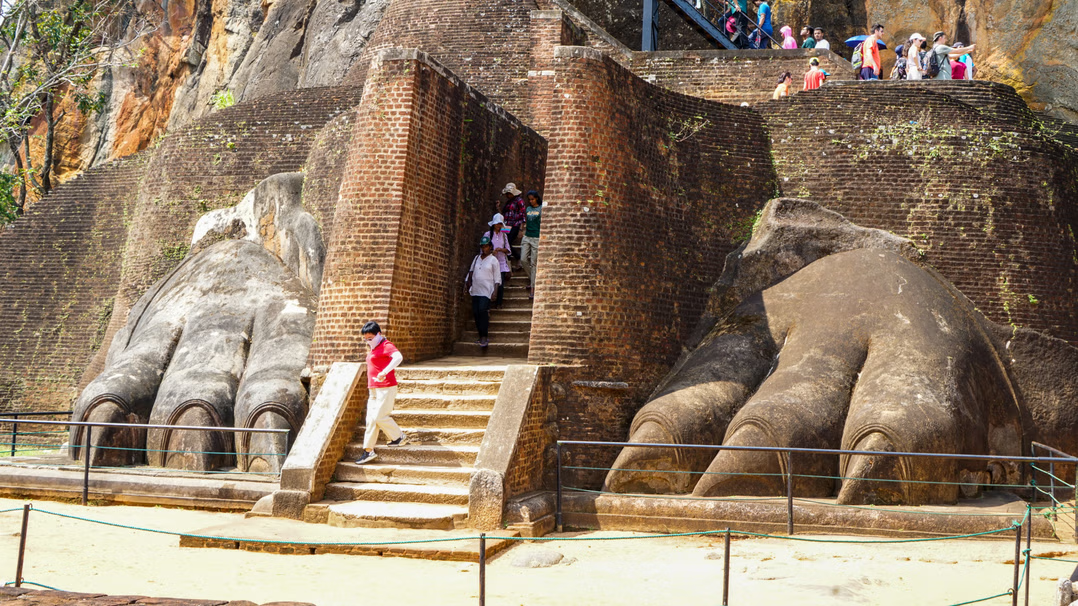
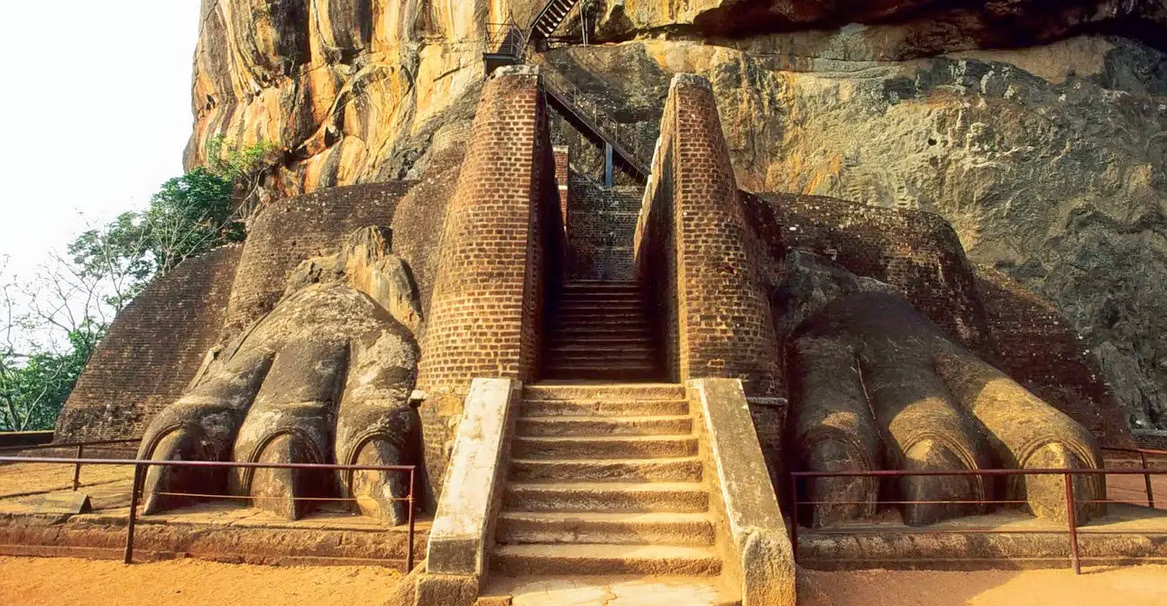
Lion’s Gate : The ascent begins through the colossal paws of a lion, once part of a grand entrance that has since disappeared.
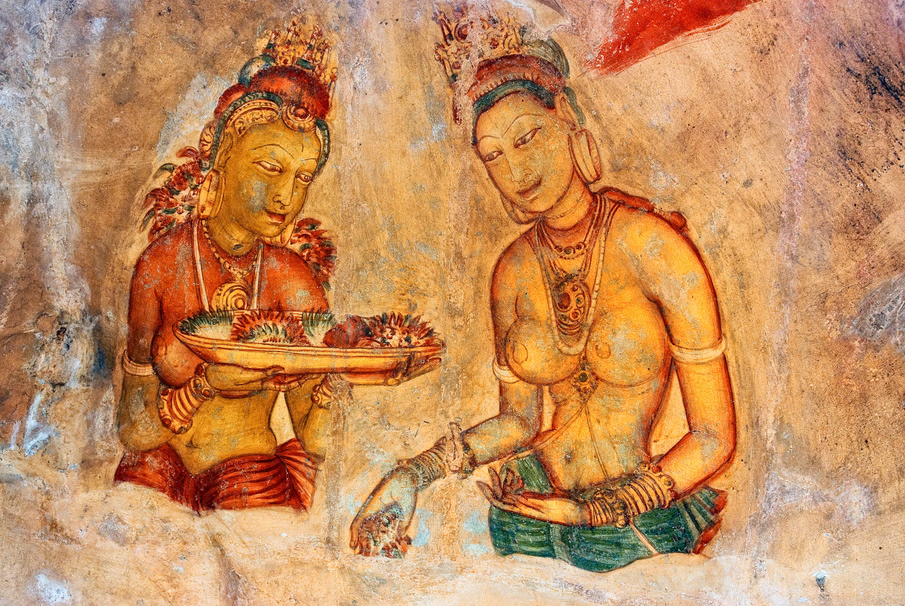
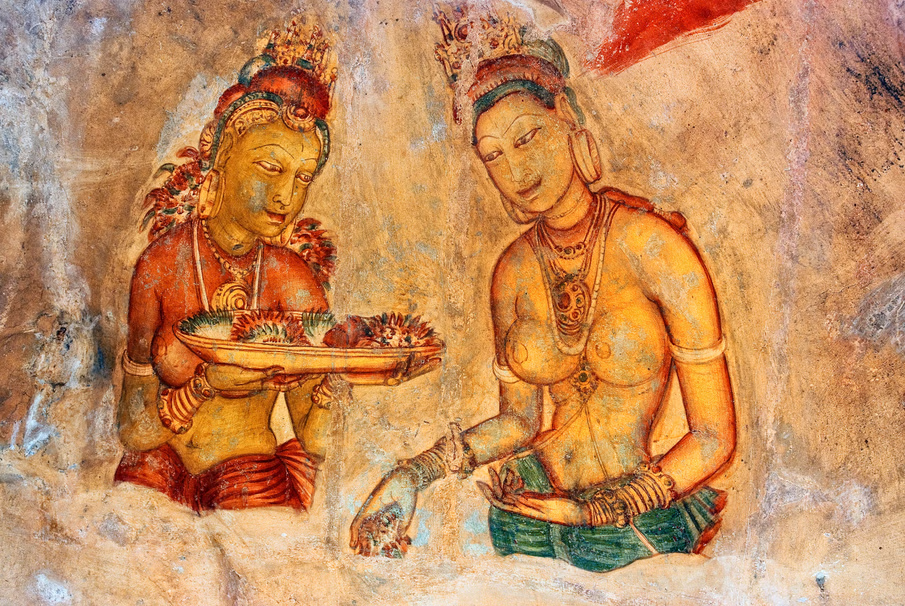
Frescoes : On the rock's western face, vibrant frescoes depict celestial maidens, showcasing the artistic prowess of the era.
Mirror Wall : A polished surface reflecting ancient graffiti, offering insights into the thoughts of past visitors.
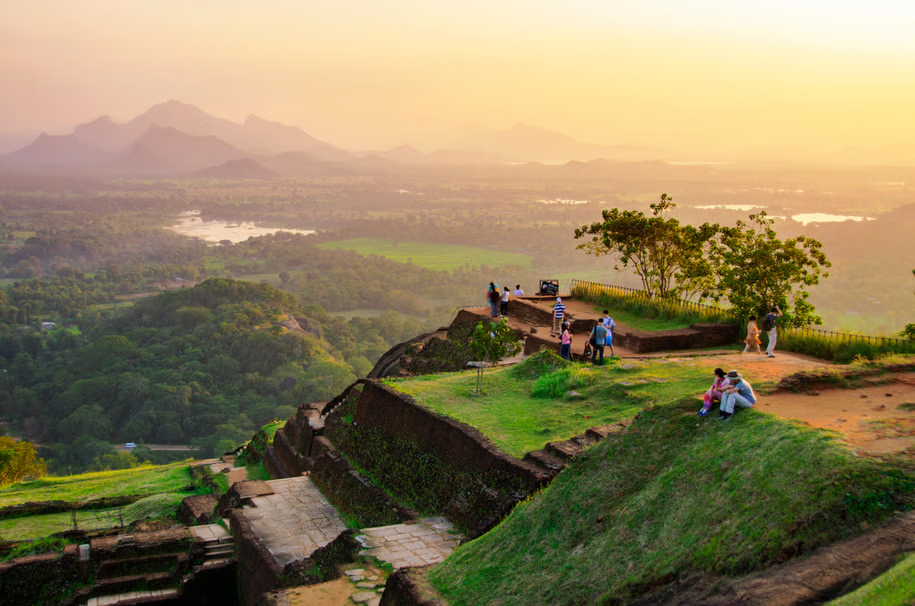
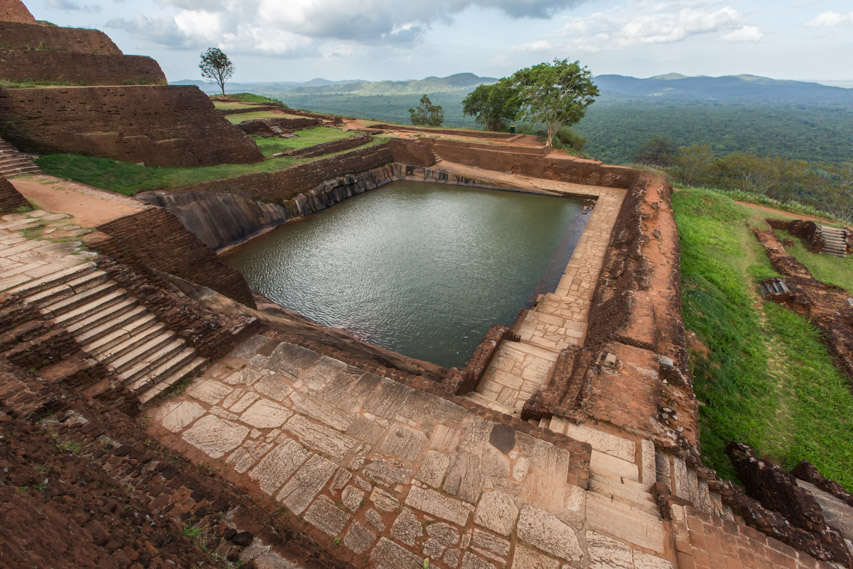
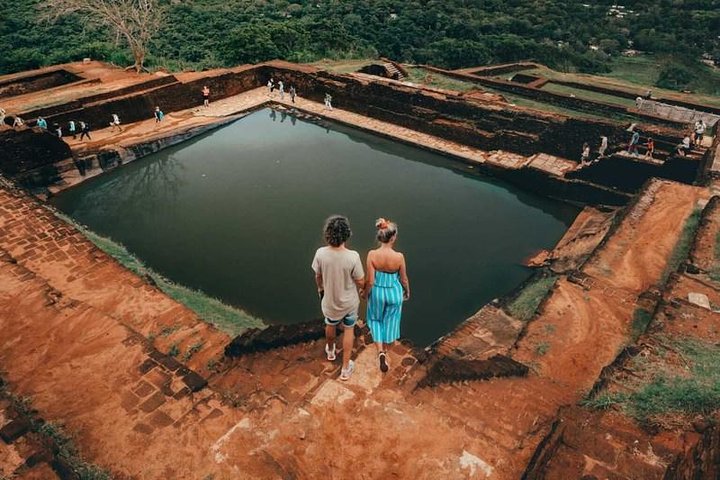
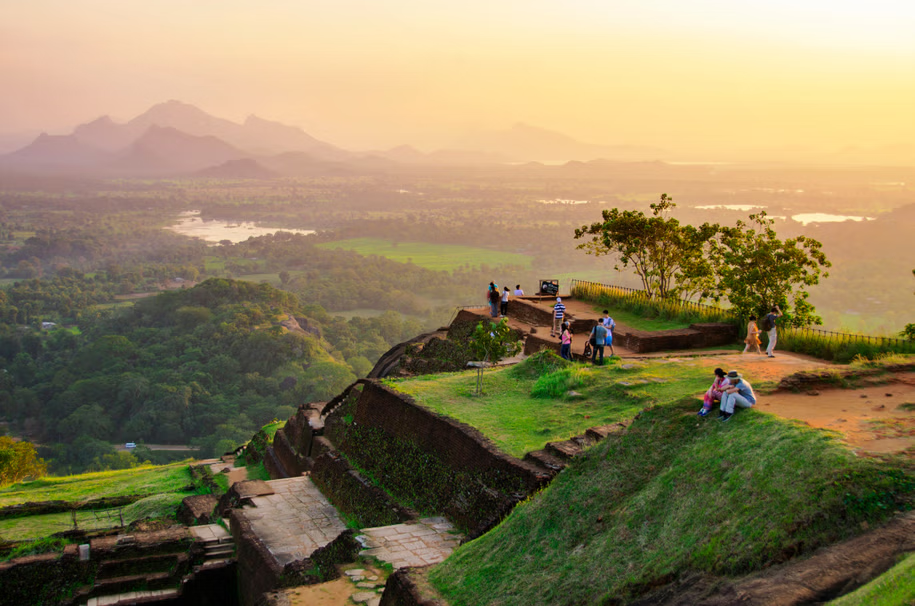
Summit Ruins : At the peak, remnants of the royal palace, including the throne room and bathing pools, provide panoramic views of the surrounding landscape.
Gardens and Water Systems
The base of Sigiriya is adorned with meticulously designed gardens, including:
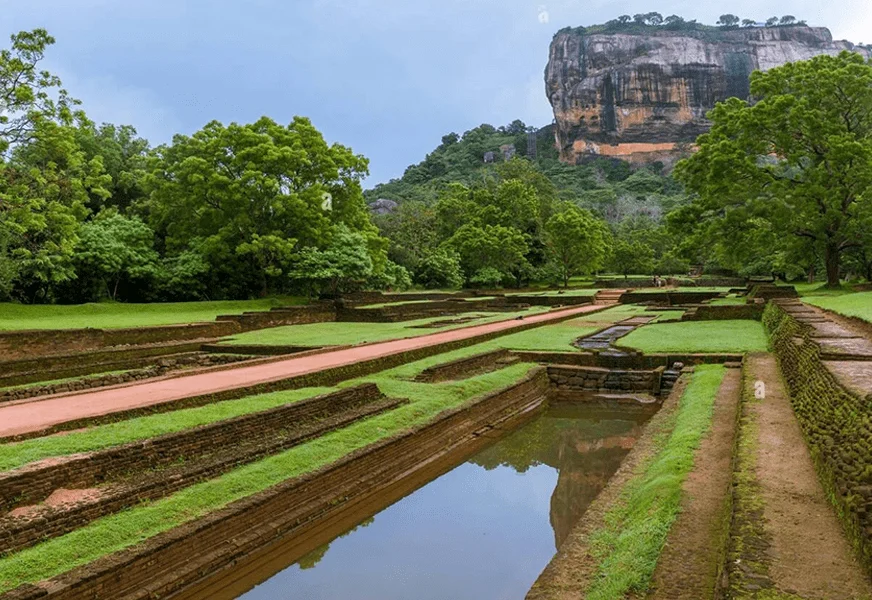
Water Gardens : Featuring symmetrical pools and fountains that demonstrate advanced hydraulic engineering.
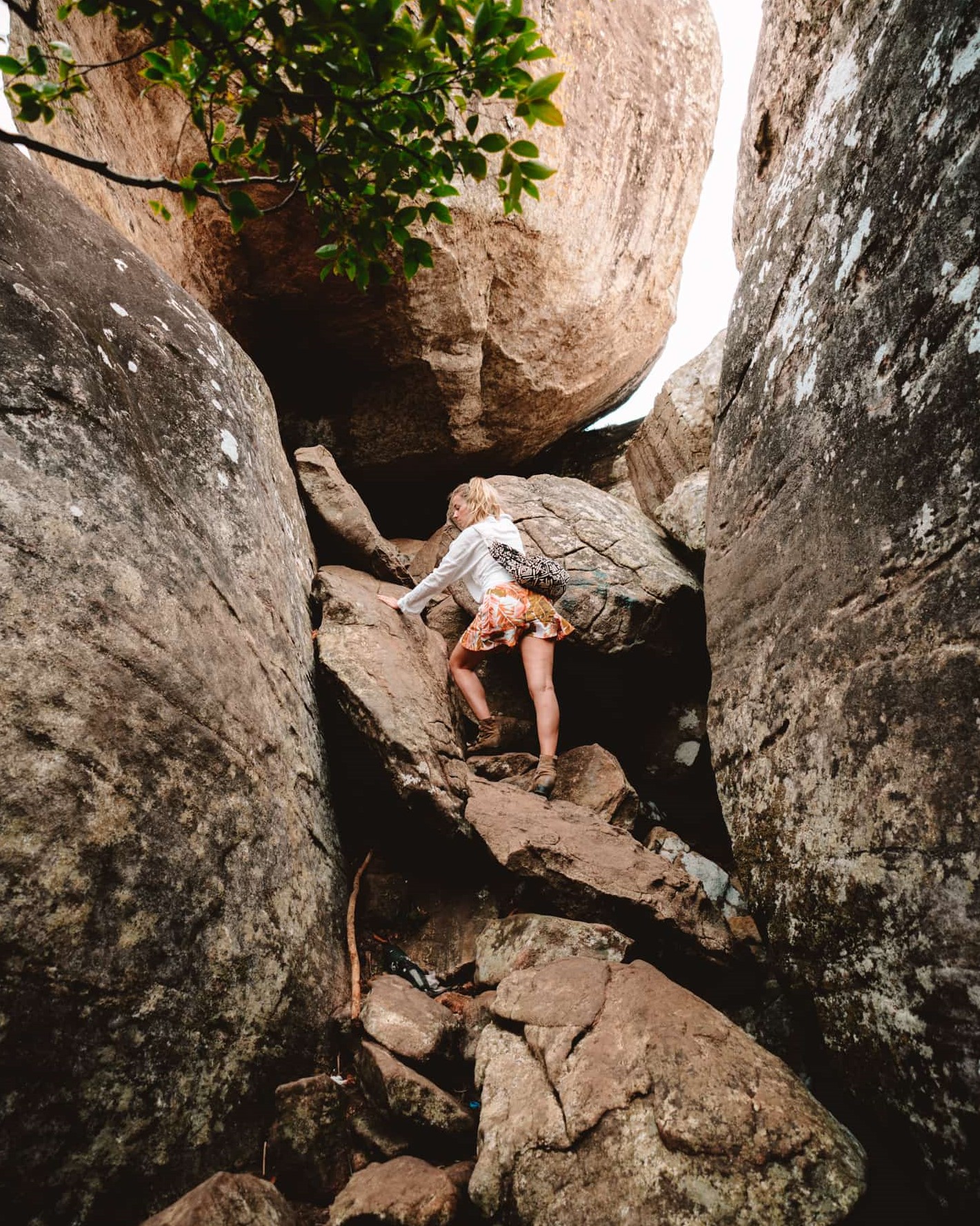
Boulder Gardens : Natural rock formations integrated into the landscape, creating serene pathways.
Terraced Gardens : Elevated levels with ornamental plants, offering diverse ecological zones.
These gardens are among the earliest and best-preserved examples of landscaped gardens in the world.
Visitor Experience
Sigiriya Museum : Located at the base, the museum provides context to the site's history and significance through artifacts and exhibits.
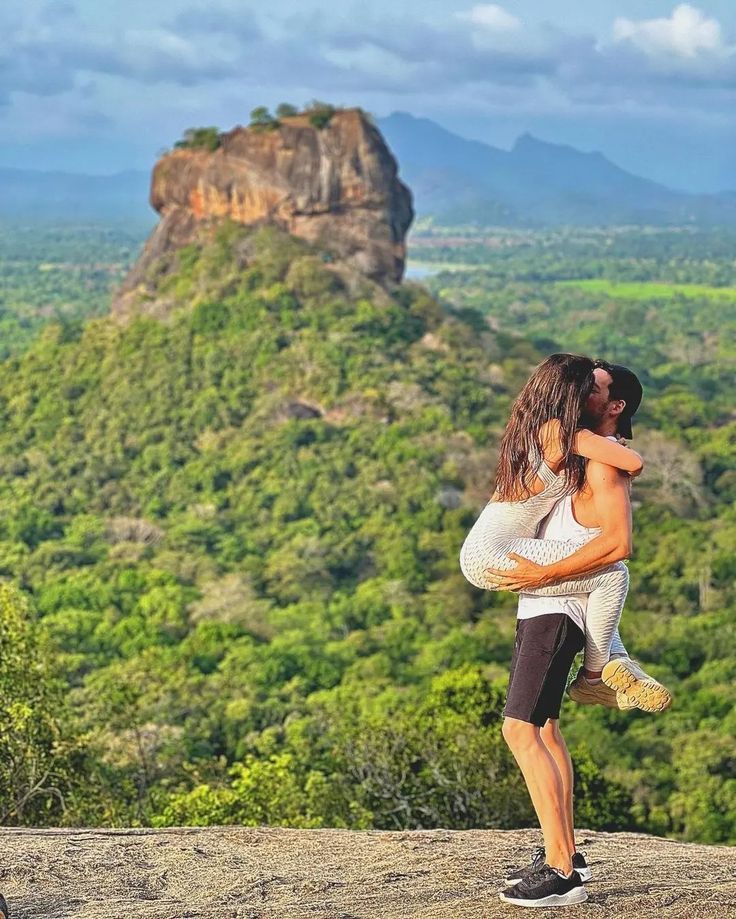
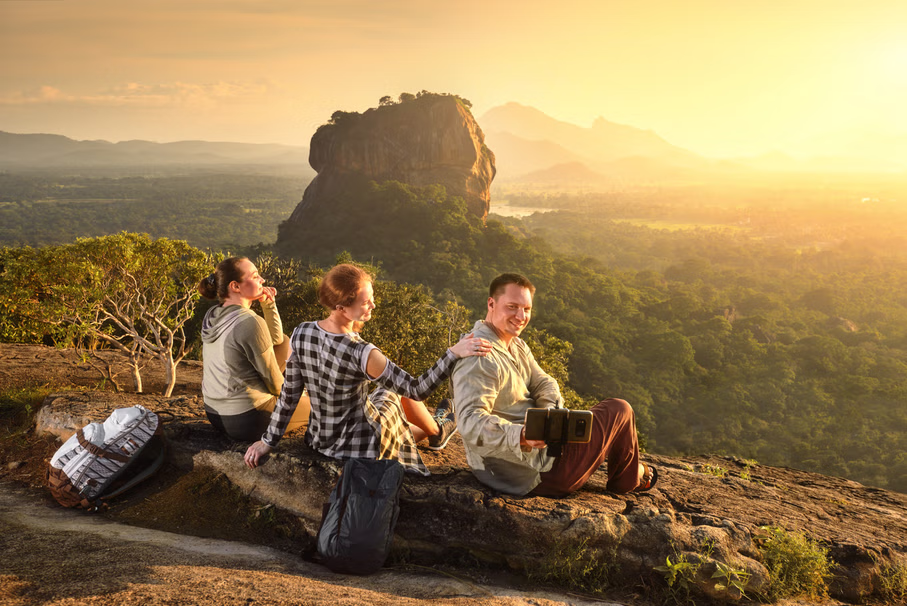
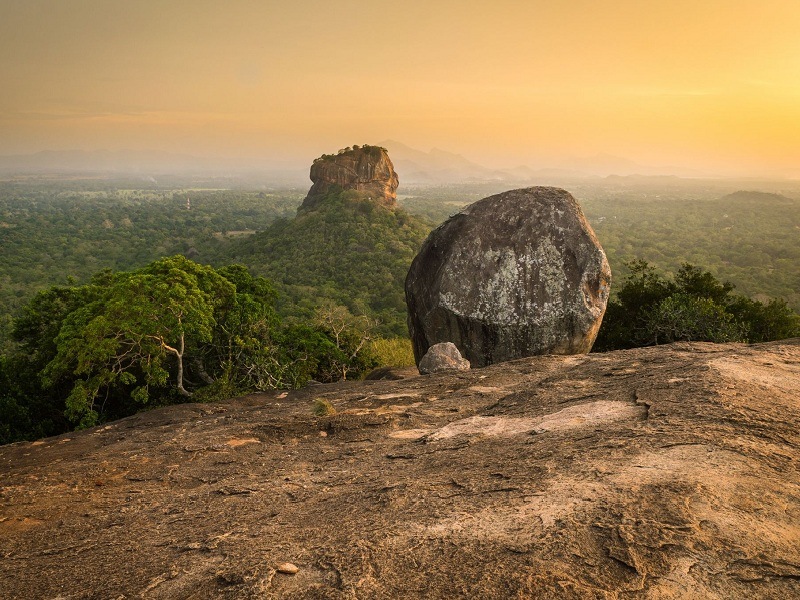
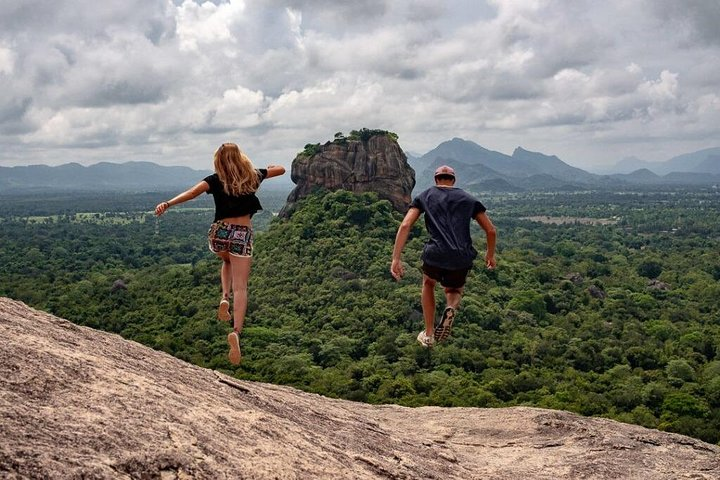
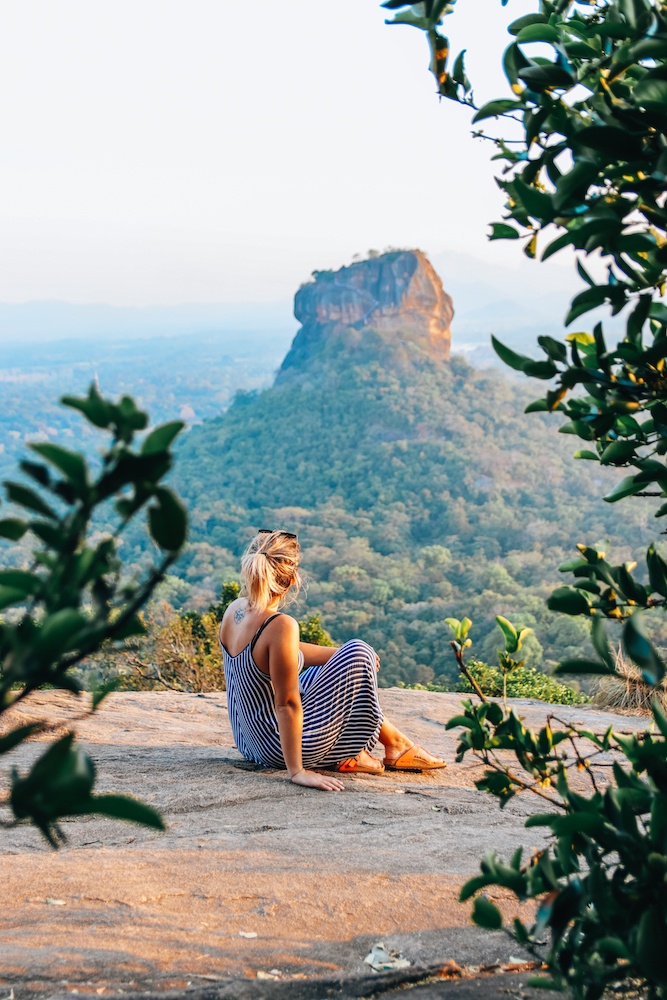
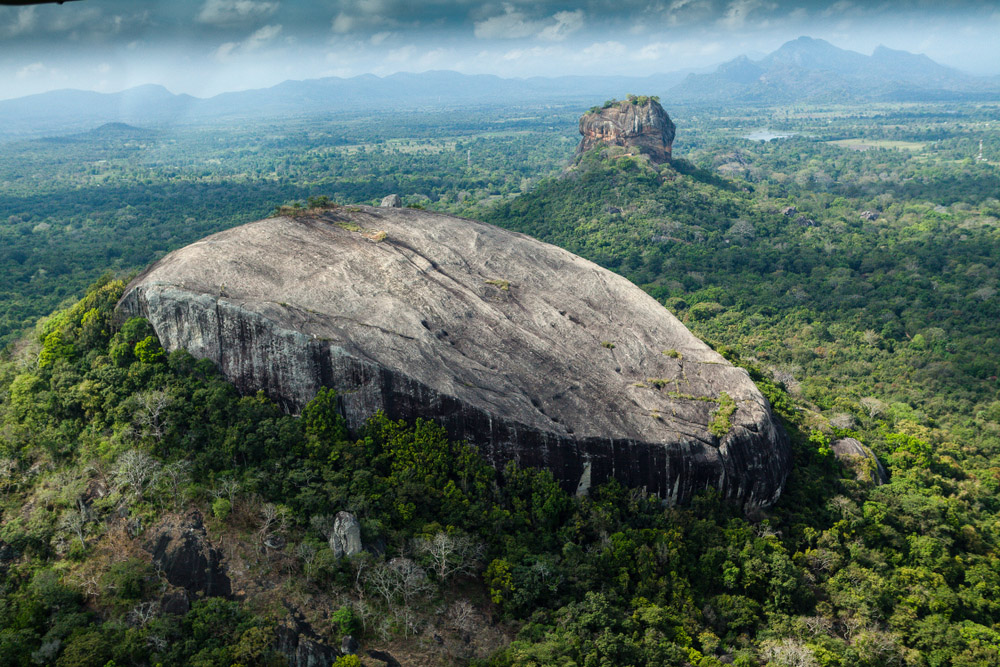
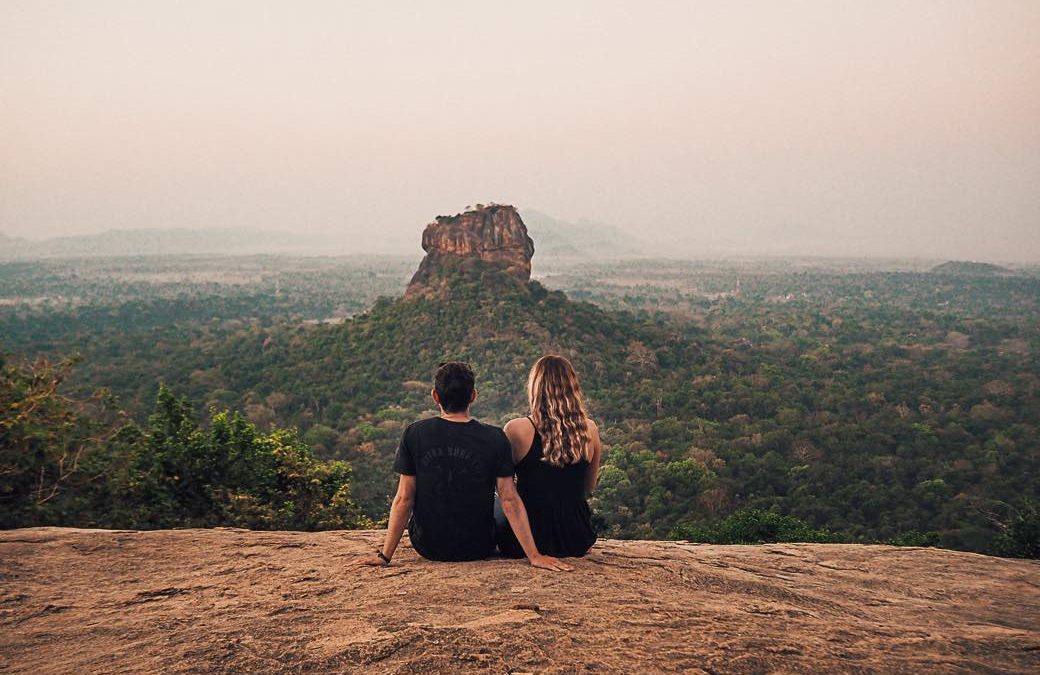
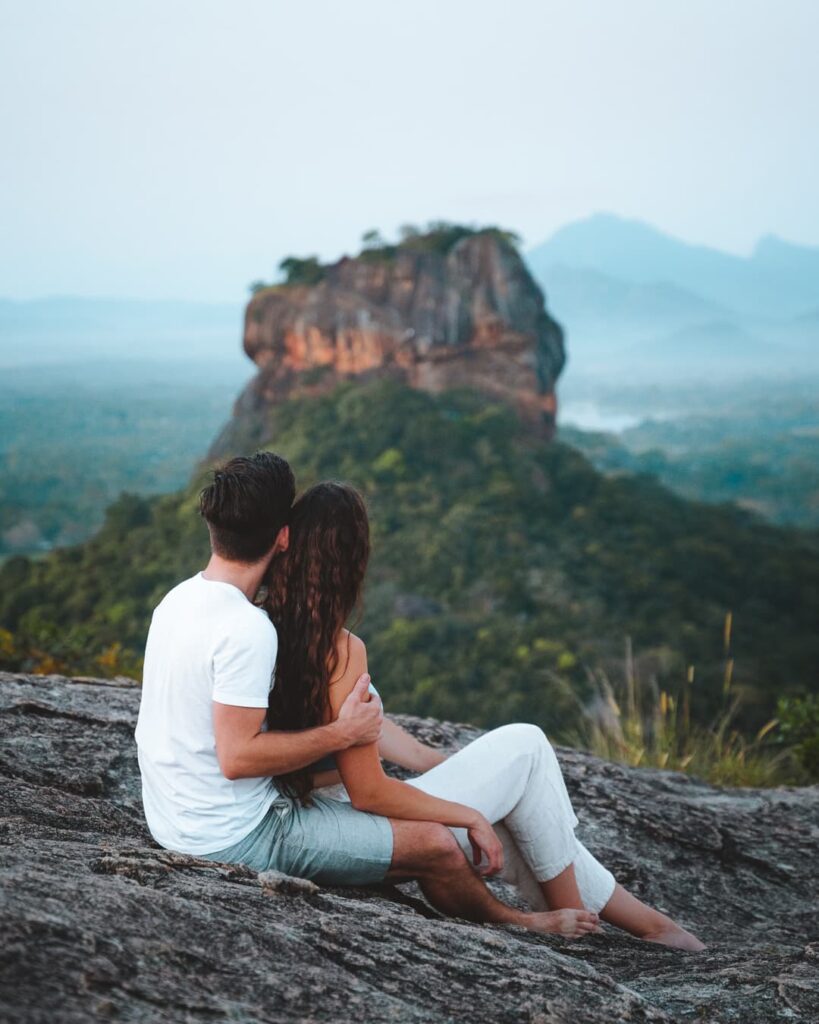
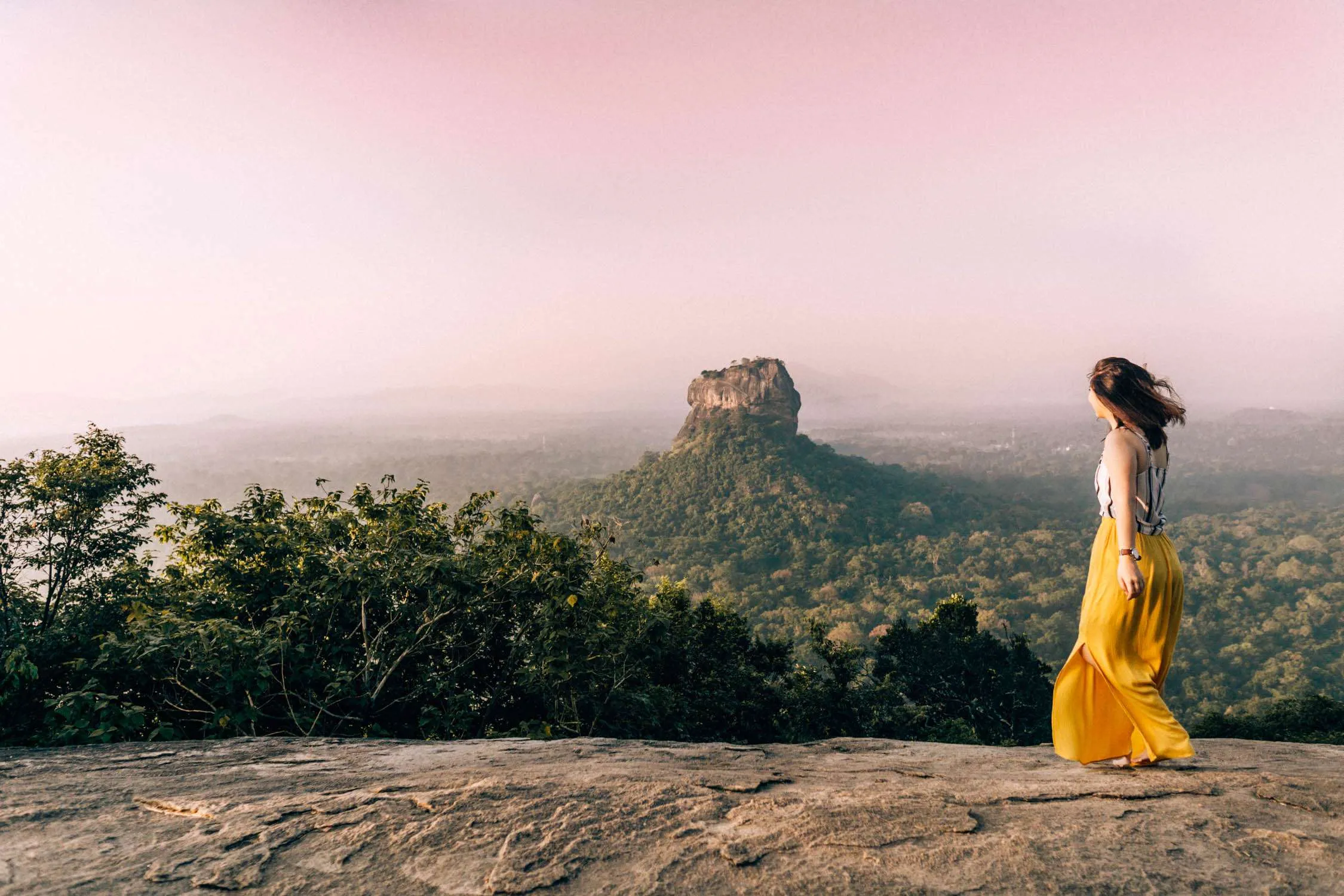
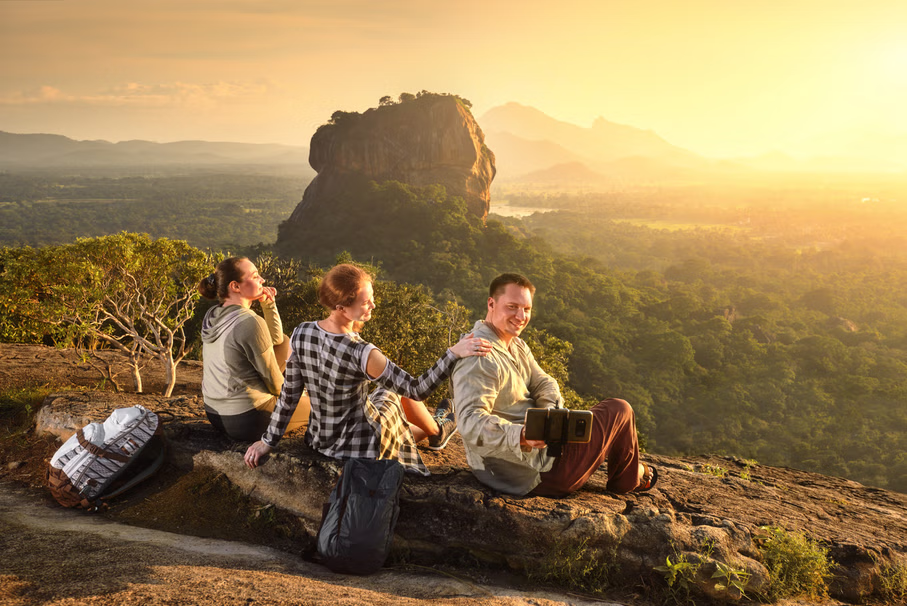
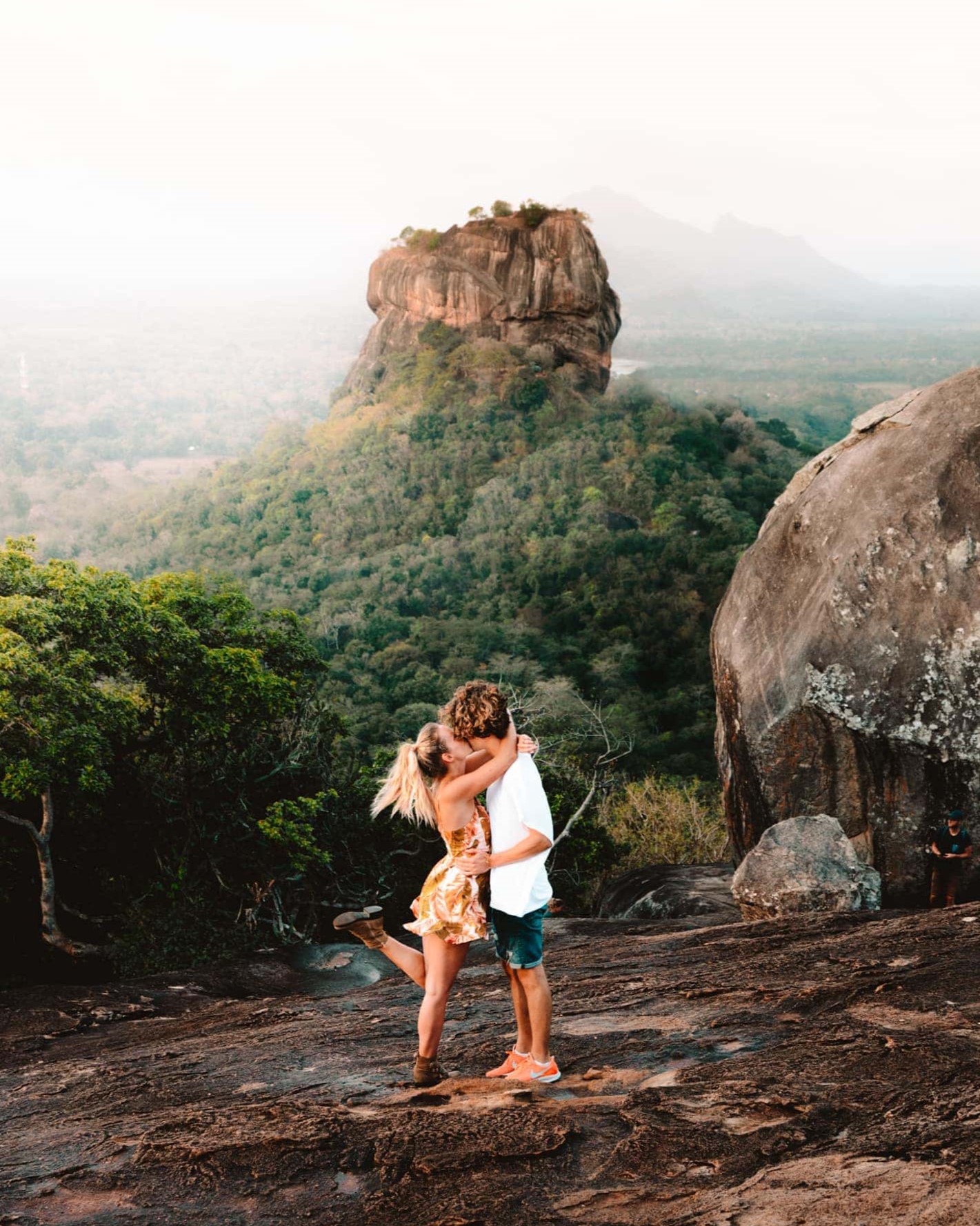
Pidurangala Rock : A nearby vantage point offering unobstructed views of Sigiriya and the surrounding plains, ideal for photography enthusiasts.
Best Time to Visit : Early morning or late afternoon to avoid the midday heat and witness the site in the soft glow of sunrise or sunset.